
Cold weather does not automatically end the golf season. You can still play when a course is open, the ground is safe, and conditions are comfortable enough for a full round. The practical answer to can you golf in the winter depends on location, temperature, frost, snow cover, wind, and the course’s maintenance policies. Golfers in milder climates may play throughout the season, while players in colder regions may get only occasional rounds between freezes and snowstorms. Winter also changes ball flight, turf conditions, clothing choices, and strategy. When outdoor play is unavailable, heated ranges and golf simulators provide another way to keep swinging until regular course conditions return.
Winter Golf Is Possible When Courses Stay Open
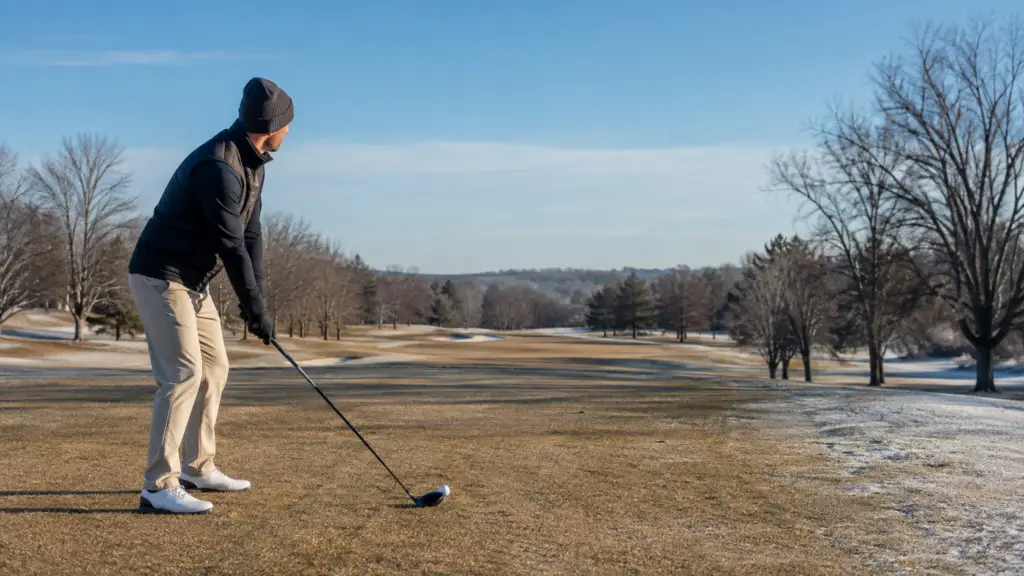
The simplest answer to can you golf in the winter is yes, provided the course is open and conditions allow play without damaging the turf or creating unnecessary safety problems. Winter golf is common in milder parts of the country, while colder regions may offer only scattered opportunities when temperatures rise and snow clears. A course that is playable one afternoon may be closed the next morning after an overnight freeze.
Course management has the final say. Golfers should not assume that a clear driveway or snow-free yard means the course is ready. Fairways, greens, and shaded areas may remain frozen or covered with frost after nearby pavement has warmed. Maintenance teams may delay tee times, use temporary greens, restrict carts, or close certain areas to protect the playing surfaces.
Anyone wondering can you golf in the winter should check the course website, booking system, or phone updates before leaving home. Winter hours may be shorter because daylight ends earlier, and some facilities operate only on selected days. The experience may not resemble summer golf, but accepting firmer turf, dormant grass, and limited services makes extra winter rounds easier to enjoy. Ultimately, the course’s opening status and local conditions should determine whether an outdoor round is practical.
Frost And Frozen Turf Can Delay A Round
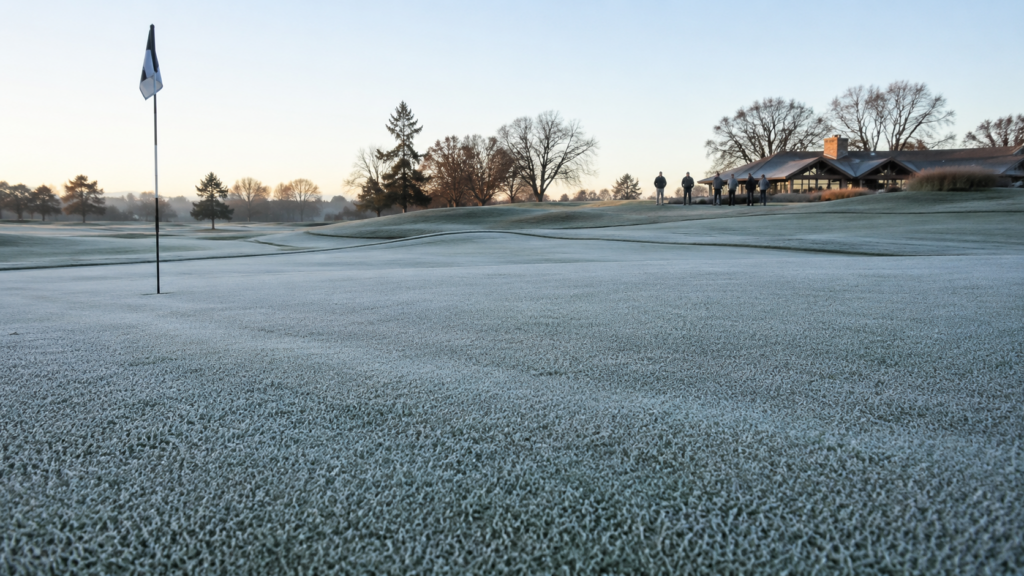
Frost is one of the main reasons a course may remain closed even when the weather seems playable. When frost forms on turf, grass becomes more vulnerable to damage from foot traffic, carts, and maintenance equipment. The USGA explains that golfers should expect frost delays during winter because traffic on frosted grass can cause lasting damage.
Frozen ground creates another challenge. A shot that normally lands softly may take a large bounce, while tees can be difficult to push into hard soil. Greens may also become extremely firm, making approach shots harder to stop. Some facilities respond with temporary greens, preferred lies, or other local procedures that reduce wear while keeping the course playable.
This is why can you golf in the winter is partly a course-condition question rather than simply a question about how much cold a golfer can tolerate. A course may close because protecting the turf matters more than opening for a few additional tee times. Players should respect those decisions and stay away from closed greens or restricted areas.
Conditions can change quickly during freeze-and-thaw periods. A course may begin the morning frozen and become playable later. Can you golf in the winter after a cold night? Sometimes, but a delayed tee time may be necessary even when the afternoon becomes mild.
Cold Weather Changes Ball Flight And Distance
Golf balls and golfers both behave differently when temperatures fall. Cold conditions can reduce carry, while extra layers and stiff muscles may make it harder to produce normal swing speed. Wind can magnify the difference, especially on exposed holes. A club that comfortably reaches a target in summer may leave the ball short during a cold winter round.
Players asking can you golf in the winter should avoid relying blindly on normal warm-weather yardages. Taking an extra club and making a controlled swing is often more practical than trying to create maximum speed while wearing several layers. Cold hands can also reduce feel, making centered contact more difficult.
Ground conditions complicate distance further. Carry may decrease, yet total distance can sometimes increase when frozen or firm turf creates a bigger first bounce and more rollout. On another winter day, wet ground may provide almost no roll. Golfers therefore need to judge both the air and the landing surface before selecting a club.
The answer to can you golf in the winter successfully is yes, but good scoring requires flexible expectations. Use the flight you are actually seeing instead of insisting on summer numbers. Pay attention to wind, firmness, moisture, and the way the ball reacts after landing. The same club may produce noticeably different results from one winter round to the next.
Dress For Movement Instead Of Maximum Bulk
Staying warm matters, but excessive clothing can interfere with a normal golf swing. A bulky coat may restrict shoulder turn, while thick layers around the arms can alter how freely the club moves through impact. Several lighter layers usually work better because they retain warmth without making the upper body feel locked in place. A thermal base layer, light insulating layer, and wind-resistant outer layer can provide a useful balance.
Hands and feet deserve special attention. Winter golf gloves, mittens worn between shots, hand warmers, warm socks, and water-resistant golf shoes can make a cold round more comfortable. A knit hat also helps when wind makes the temperature feel colder than the thermometer suggests.
The National Weather Service cold-weather safety guidance explains that very cold air and wind can increase the risk of frostbite and hypothermia. Wind chill reflects how quickly exposed skin loses heat, so a windy winter round may feel significantly colder than the stated temperature.
This matters when asking can you golf in the winter because there is a difference between playing in cool weather and staying outside for several hours during dangerous cold. Dress for the forecast, carry an extra dry layer, and be willing to shorten the round. Can you golf in the winter during an extreme cold warning? Choosing an indoor option is the more sensible decision.
Winter Strategy Requires More Imagination
Winter golf rewards adaptation rather than trying to play every hole exactly as you would in July. Dormant or frozen turf can produce unpredictable bounces. Fairways may be firm in one area and soft in another. Greens can play slower when wet or much harder when frozen. Wind and additional clothing may also change distance and shot shape.
When considering can you golf in the winter, expect to use different trajectories and landing areas. A low-running approach may work better than a high shot when the ground is firm. On a soft course, extra carry may be necessary because there is little rollout. Around the green, a putter or low chip can sometimes be easier to control than a high pitch from a tight winter lie.
Some courses use temporary greens or preferred lies during winter. Always check the local rules before the round instead of assuming normal summer procedures are in effect. These adjustments can protect the course while keeping play enjoyable.
Scoring expectations should change as well. A familiar hole can play very differently when wind, cold, and ground firmness combine. Can you golf in the winter and still improve? Yes. Unusual conditions force golfers to think carefully about trajectory, landing areas, club selection, and course management. Those skills remain useful when spring returns and playing conditions become more predictable.
Indoor Golf Keeps The Season Moving
There will be winter days when outdoor golf simply is not practical. Snow cover, frozen greens, severe cold, or course closures can remove the option regardless of how eager a golfer is to play. Indoor practice becomes valuable during these stretches because it lets players maintain swing rhythm instead of waiting weeks for the next mild day.
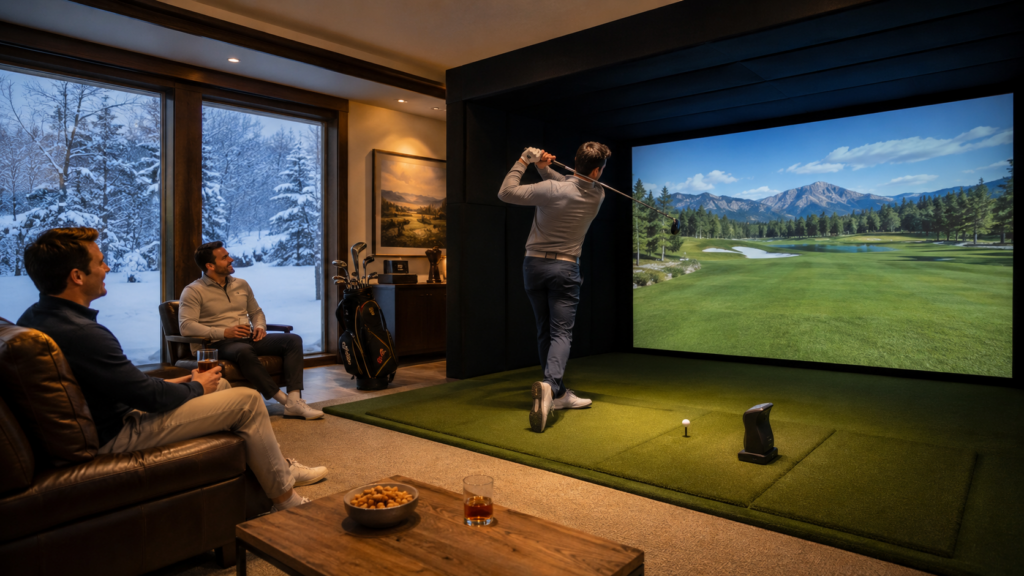
Heated driving ranges can provide real ball flight where available, while indoor training facilities may offer nets and launch monitors. Golf simulators go further by measuring a real golf shot and using software to recreate ball flight on a virtual course. Players can hit drivers, irons, wedges, and putts while tracking carry, launch, direction, and other shot information.
This creates a practical alternative for anyone asking can you golf in the winter in a region where outdoor courses frequently close. Simulator golf cannot reproduce every frozen lie or gust of wind, but it can help maintain club distances and swing consistency in a controlled environment. Social play can continue as well, and organized golf nights can provide friendly competition when darkness or winter weather makes an outdoor round impossible.
Protect Clubs And Equipment After Winter Rounds
Winter golf can expose equipment to water, mud, dormant grass, road salt, and debris that may be less noticeable during dry summer rounds. Clubs should be wiped clean and dried before the bag is stored. Pay particular attention to grooves, steel shafts, ferrules, and wet headcovers. Covering a damp club immediately can trap moisture against the head.
Golfers wondering can you golf in the winter should also consider where their equipment will be stored afterward. Leaving wet clubs in a vehicle trunk or damp unheated area for long periods is not ideal. Moisture can encourage surface rust on vulnerable metal, while grips may remain slick and dirty if they are packed away before drying.
Shoes need similar care. Remove mud from the soles and allow wet footwear to dry naturally. Gloves, towels, and outer layers should not remain packed inside the golf bag where moisture can linger. Golf balls can also be washed and checked for cuts or obvious damage before returning to play.
Can you golf in the winter without doing a little extra maintenance? Usually not. The conditions are naturally messier. A short cleaning routine after each round keeps the equipment ready for the next playable day and prevents winter grime from becoming a larger job. It also gives golfers a chance to inspect clubs and grips before the next round.
Conclusion
So, can you golf in the winter? Yes, when the course is open and the weather, turf, and personal safety conditions allow it. Frost delays, frozen ground, changing ball flight, extra clothing, and winter course rules can all affect the experience, so flexibility matters. Checking course conditions before leaving home and adjusting club selection can make cold-weather golf more enjoyable.
When outdoor courses are closed, simulator golf offers another way to keep playing. Roaming Scores brings a mobile golf simulator to parties, corporate gatherings, fundraisers, and other events across Northeast Ohio. Hosts can book their date and enjoy virtual course play without depending on a mild winter forecast.