The best golf ball is the one that matches your swing speed, preferred feel, typical ball flight, and short-game needs. Premium tour balls offer strong greenside control and consistent flight, while softer or lower-cost models may suit beginners and moderate swing speeds better. When golfers ask what are the best golf balls, there is no single model that works perfectly for everyone. A fast swinger may prefer a firmer ball with lower driver spin, while another player may benefit from a softer ball that launches easily. Choosing well requires looking beyond brand popularity and considering how the ball performs with the driver, irons, wedges, and putter.
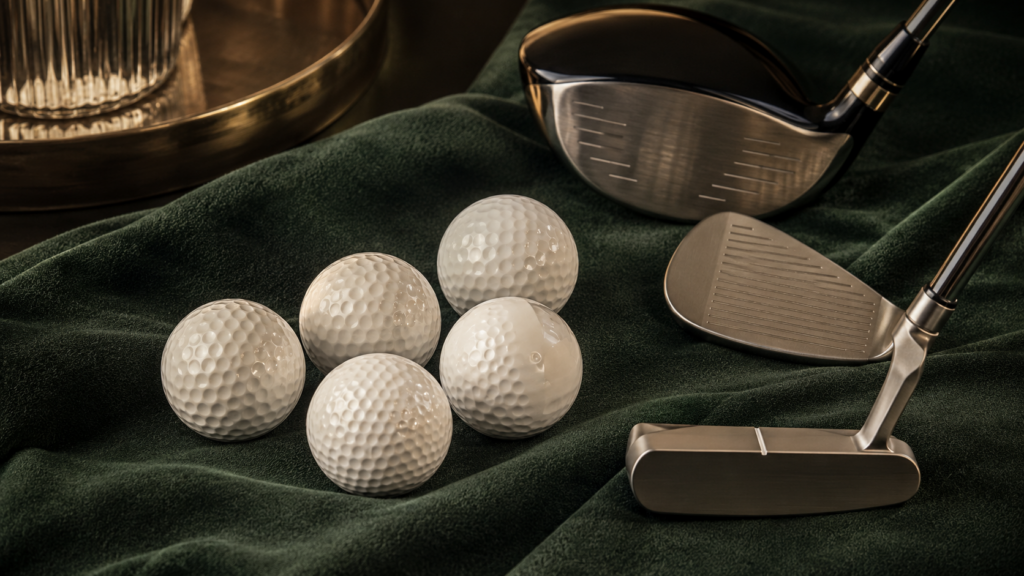
No Single Golf Ball Is Best For Every Player
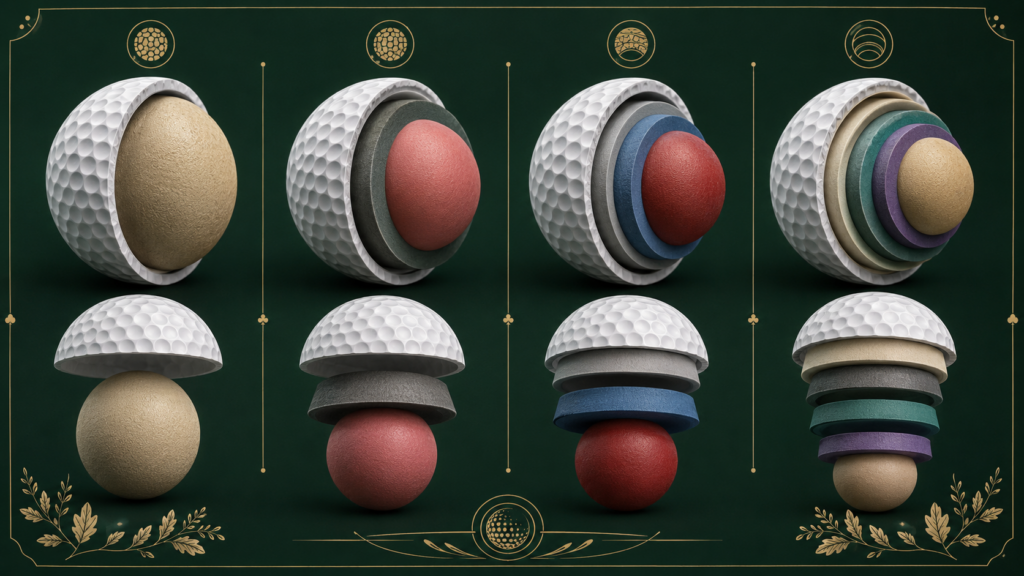
Golf balls are designed with different cores, covers, compression levels, and dimple patterns. These features affect speed, launch, spin, feel, and durability. A player who wants more distance from the tee may prefer a ball that reduces long-game spin. Another golfer may accept slightly less distance in exchange for more control on approach shots and around the green. Swing speed also changes how a ball feels and performs. Golfers with faster swings can compress firmer tour balls more easily. Players with moderate or slower swings may prefer a softer model that feels more responsive at impact.
However, swing speed should not be the only consideration. A golfer who values wedge control may still prefer a urethane-covered ball, even without a very fast driver swing. Price matters as well. Premium golf balls often provide more specialized performance, but they can become expensive for golfers who lose several balls per round. A reliable two-piece model may offer better value while a player develops consistency.
The answer to what are the best golf balls should therefore begin with the individual golfer. Handicap, swing speed, ball flight, feel preference, budget, and the shots that cause the most trouble all matter. The most popular ball on tour may not provide the best value or results for a beginner.
Best Overall Golf Balls For Balanced Performance
Several premium models stand out because they balance distance, flight consistency, feel, and short-game control. The Titleist Pro V1 remains a strong all-around choice for golfers who prefer a softer feel, mid-level flight, low long-game spin, and dependable greenside spin. It suits players who want one ball to perform consistently through the entire bag rather than focusing only on maximum distance. The 2026 Callaway Chrome Tour is another balanced premium option. It is designed for strong speed, controlled flight, and high short-game spin. Its medium-firm feel may appeal to golfers who want more feedback than a very soft ball provides without moving to the firmest tour models.
TaylorMade’s 2026 TP5 also belongs in the all-around category. It combines a softer tour feel with high greenside spin and improved speed. Golfers who like noticeable feedback from irons and wedges may find it easier to judge than a very firm distance-focused model. These current premium models remain available in 2026 and are designed to balance performance from the tee through the green. For many experienced players, these models provide the clearest answer to what are the best golf balls. However, the differences between them are smaller than the difference between a properly fitted ball and one chosen only because a professional golfer uses it.
Best Golf Balls For Distance And Faster Swings
Golfers with faster swings often need a ball that controls driver spin while maintaining speed. A ball that spins too much off the tee may climb excessively and lose distance. Firmer tour models can help produce a stronger flight, especially for players who generate high clubhead speed and already launch the ball easily. The Titleist Pro V1x provides a higher flight and firmer feel than the Pro V1. It can suit golfers who want strong iron and wedge spin while maintaining speed through the long game. TaylorMade’s 2026 TP5x is positioned as the faster and firmer option within the TP5 family. It generally produces a more penetrating flight and lower driver spin than the softer TP5.
Bridgestone’s current Tour B X is designed for players with driver swing speeds above 105 mph. It focuses on ball speed and distance while retaining control on approach shots. Callaway’s Chrome Tour X also fits golfers who prefer a firmer feel, more workability, and higher short-game spin than the standard Chrome Tour. These balls may not suit every player. A golfer with moderate speed may find them firm or difficult to launch. When deciding what are the best golf balls for distance, compare carry, total distance, launch, and dispersion rather than choosing the model that feels fastest from one perfect drive.
Best Soft Golf Balls For Moderate Swing Speeds
Softer golf balls can provide a comfortable feel and easier compression for players with moderate swing speeds. They are often popular with beginners, seniors, and golfers who dislike the firm sensation of tour-level distance balls. A soft ball can also feel more controlled with wedges and the putter, even when it does not create as much greenside spin as a premium urethane model.
Callaway Supersoft is a practical option for golfers who want a soft feel, useful distance, and an affordable price. The current version is designed to increase ball speed while maintaining a soft response. Titleist TruFeel offers another accessible choice. It provides a very soft feel, low flight, long-game distance, and useful short-game control for golfers who prefer a less expensive Titleist ball.
TaylorMade Tour Response sits between basic soft balls and premium tour models. The 2026 version uses a urethane cover and lower-compression construction, giving golfers a softer feel with more greenside spin than many standard two-piece balls. It costs more than entry-level models but less than most leading tour balls. When asking what are the best golf balls for moderate speeds, golfers should not assume that the softest model automatically travels the farthest. Test launch, carry, and direction with normal swings. The best choice should feel comfortable without producing a flight that is too high, too low, or difficult to control.
Best Golf Balls For Short-Game Control
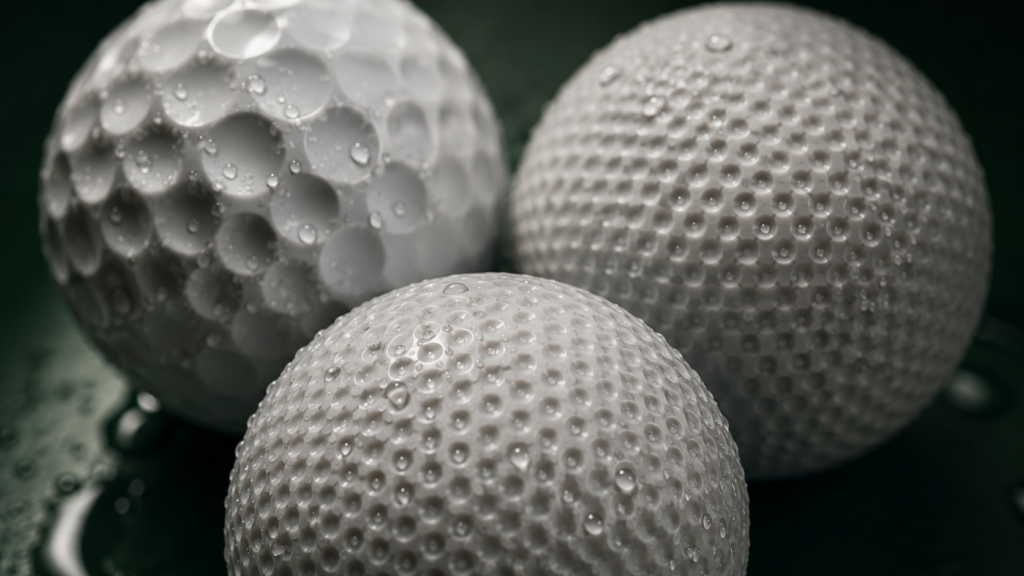
Short-game control depends heavily on the ball’s cover and how it reacts to wedge grooves. Premium urethane covers generally create more friction and spin than harder ionomer covers. That extra spin can help approach shots stop sooner and give golfers more options around the green. However, high spin only helps when the player makes clean contact and understands how the ball will react.
The Titleist Pro V1 offers a useful combination of soft feel and high short-game spin. TaylorMade TP5 is another strong choice for golfers who prefer a softer tour ball and want more stopping power inside 100 yards. Callaway Chrome Tour X may suit players who prefer a firmer feel and maximum short-game spin. Srixon Z-Star Diamond is also known for approach and wedge control, especially for golfers who want strong spin without sacrificing a stable long-game flight. The ball may suit players who attack greens with irons and rely on controlled pitches rather than simple bump-and-run shots.
The best way to judge short-game performance is to test several models from 30 to 80 yards, then compare chips and putts. A ball may perform well with a driver but feel unpredictable around the green. For golfers whose main goal is lower scoring, the answer to what are the best golf balls often depends more on shots inside 100 yards than an extra few yards from the tee.
Best Golf Balls For Beginners And Better Value
Beginners usually benefit from a durable and reasonably priced ball rather than the most expensive tour model. New golfers often lose balls, strike different parts of the clubface, and produce inconsistent launch conditions. Paying premium prices may offer little benefit until contact becomes more repeatable.
Callaway Supersoft and Titleist TruFeel are both suitable starting points because they combine soft feel with useful distance and accessible pricing. TaylorMade SpeedSoft is another option for players who want easy launch and a very soft response. Two-piece distance balls can also work well for golfers who value durability and straighter long-game performance. A beginner should use the same model for several rounds instead of switching constantly between random balls. Consistency makes it easier to learn how far each club travels and how the ball reacts on chips and putts. Used balls can save money, but badly scuffed, discolored, or water-damaged balls may produce unreliable results.
Golfers should also check that a ball is approved for play before using it in a formal competition. The USGA List of Conforming Golf Balls is updated regularly and identifies models that meet the Rules of Golf. For most beginners, what are the best golf balls can be answered with three priorities: reasonable cost, consistent feel, and enough durability to survive regular practice.
How To Test Golf Balls Before Choosing One
Golf ball testing should include more than hitting drivers. Start by selecting three models that fit the same general price and performance category. Use each ball for several shots with a wedge, middle iron, long club, and putter. Pay attention to carry distance, direction, height, stopping power, sound, and feel.
Begin near the green because short shots reveal differences quickly. Hit chips from the same location and observe how much the ball rolls after landing. Then hit pitch shots and full wedges to see whether the ball stops, releases, or spins backward. On the putting green, compare sound and firmness. A ball that feels uncomfortable with the putter may become distracting during a full round.
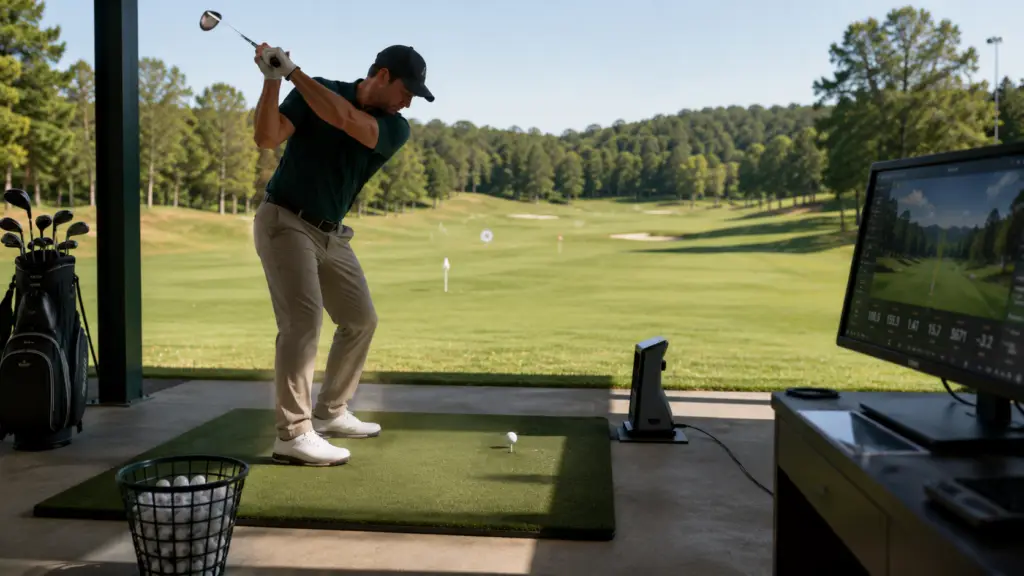
Next, test irons and drivers. Do not judge a ball from the longest single shot. Look at the average distance and dispersion across several swings. A ball that travels five yards farther but finishes much farther offline may not improve scoring. Simulator testing can make comparisons easier because it measures ball speed, launch, spin, carry, and direction under consistent conditions. Friendly events such as golf nights can also let players compare shots in an engaging setting. Careful testing provides a more useful answer to what are the best golf balls than relying only on advertising or tour popularity.
Conclusion
So, what are the best golf balls? Titleist Pro V1, Callaway Chrome Tour, and TaylorMade TP5 are strong all-around premium choices. Faster swingers may prefer firmer options such as Pro V1x, TP5x, Chrome Tour X, or Bridgestone Tour B X. Golfers seeking soft feel and better value can consider Callaway Supersoft, Titleist TruFeel, or TaylorMade Tour Response. The right ball should match your speed, preferred flight, short-game needs, and budget.
Roaming Scores lets players see real shot data while enjoying virtual courses and golf challenges at parties, fundraisers, weddings, and corporate events across Northeast Ohio. Hosts can book their date and bring an interactive golf experience directly to their chosen location.