
How To Start A Golf Simulator Business begins with choosing the right business model, researching local demand, calculating startup costs, and finding a location that can support multiple simulator bays. You also need reliable launch monitors, screens, projectors, software, insurance, booking systems, and enough working capital to cover expenses while the business builds a regular customer base.
A successful indoor golf business usually earns money from more than hourly simulator rentals. Memberships, leagues, lessons, club fitting, tournaments, corporate events, food and drinks, and private parties can create additional revenue. Before signing a lease or purchasing expensive equipment, build a realistic plan showing how many customers you need each week to cover rent, payroll, equipment, software, utilities, marketing, and other operating costs.

Research Your Local Golf Market
The first step in How To Start A Golf Simulator Business is determining whether enough people in your area will pay for indoor golf. Research nearby golf courses, driving ranges, simulator facilities, entertainment centers, and golf stores. Look at their pricing, hours, number of bays, reviews, memberships, and busiest periods. You should also consider climate. Areas with long winters, extreme summer heat, frequent rain, or limited evening golf may create stronger demand for indoor facilities.
Define the customers you want to attract before choosing your concept. Serious golfers may want accurate launch data, premium courses, practice memberships, and professional instruction. Casual customers may care more about comfortable seating, food, group games, and social events. Corporate groups and parties have different needs again. Understanding your target customer will help determine your location, equipment, pricing, atmosphere, and marketing strategy instead of building an expensive facility without a clear audience.
Create A Detailed Business Plan
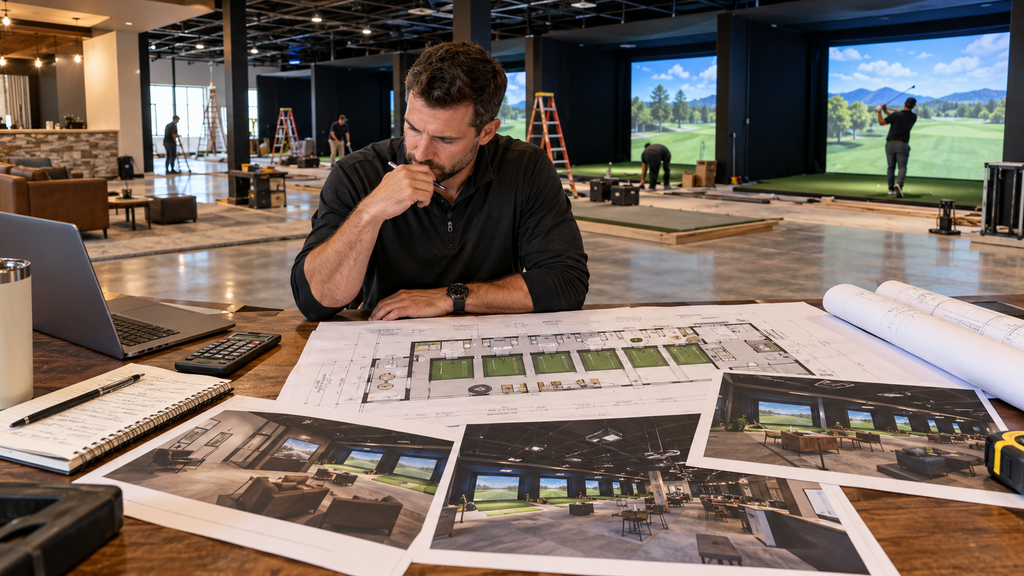
A business plan turns the idea into measurable numbers. Estimate the money needed for your lease deposit, renovations, simulator equipment, furniture, signs, insurance, licenses, booking software, payroll, marketing, and opening inventory. Then estimate monthly expenses and realistic revenue. Avoid building projections around every simulator bay being occupied throughout the day because weekday mornings and other off-peak periods may have significantly lower demand.
Anyone researching How To Start A Golf Simulator Business should also calculate a break-even point. The U.S. Small Business Administration recommends using market research, startup-cost calculations, financial projections, and a clear business plan before launching a company. Its business planning resources can help organize these areas. Your projections should include conservative, expected, and strong-sales scenarios so you know whether the business can survive slower periods.
Calculate Golf Simulator Startup Costs
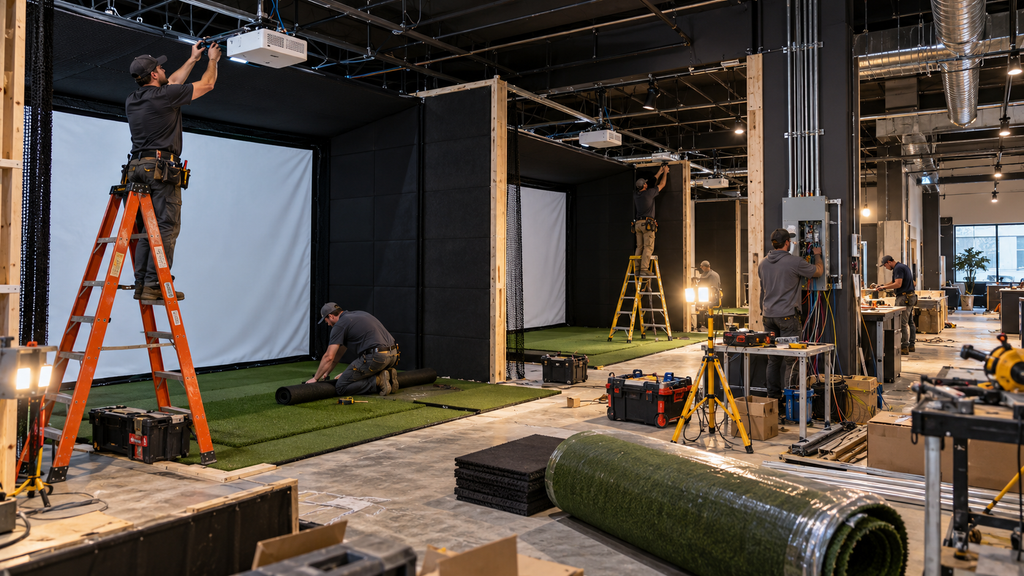
Startup costs can vary enormously. A small studio with two or three modest simulator bays will require far less capital than a large entertainment venue with premium technology, a bar, lounge seating, and extensive renovations. The simulator hardware itself can range from several thousand dollars for simpler systems to tens of thousands for premium commercial installations. Multiplying those costs across several bays can make equipment one of your largest initial investments.
When determining How To Start A Golf Simulator Business, create a separate budget for every bay rather than looking only at the launch monitor price. Each setup may require an impact screen, enclosure, projector, gaming computer, hitting mat, turf, sensors, cables, software, and installation. Our guide on how much are golf simulators explains how these individual components affect total simulator costs. You should also keep a contingency fund because construction, electrical work, networking, permits, and equipment installation can cost more than expected.
Choose The Right Location And Layout
Location can determine whether customers view your business as convenient or difficult to visit. Look for a property with adequate parking, good road access, suitable zoning, and enough interior space for the number of bays you plan to operate. Visibility can help, but a slightly less visible property may work if rent is substantially lower and customers can reach it easily. Compare occupancy costs carefully before committing to a long lease.
Ceiling height is especially important when learning How To Start A Golf Simulator Business. Golfers need enough clearance to swing drivers safely, while each bay also needs adequate width and depth. The facility should provide comfortable space behind the hitting area for players waiting their turn. You may also need a reception counter, seating, bathrooms, storage, office space, food service areas, and walkways. Plan the entire floor before construction so customers never need to walk through another player’s swing area.
Select Commercial Golf Simulator Equipment
Equipment should match the customers you plan to serve. Commercial facilities benefit from launch monitors that are accurate, reliable, easy to operate, and compatible with engaging simulator software. Consider whether the equipment measures both ball and club data, how putting works, how frequently calibration is required, and whether the manufacturer provides commercial technical support. Downtime becomes costly when customers cannot use a bay they booked.
Another important part of How To Start A Golf Simulator Business is choosing equipment based on total ownership cost rather than purchase price alone. Ask about software subscriptions, warranties, replacement components, updates, commercial licenses, and service fees. A simulator that saves money initially may become more expensive if maintenance is difficult or software charges are high. If you are considering building the bays yourself, our guide on how to make a golf simulator explains the basic equipment and room-planning requirements involved in a complete installation.
Develop Pricing And Revenue Streams
Hourly bay rentals are the obvious source of income, but relying only on hourly bookings can make revenue unpredictable. Create different prices for peak and off-peak periods where appropriate. You can also offer memberships that include discounted hours, early booking access, practice sessions, or monthly playing time. Leagues can bring the same players back each week and provide dependable business during seasons when casual bookings might fluctuate.
Understanding How To Start A Golf Simulator Business also means finding revenue beyond simulator time. Golf instruction, club fitting, tournaments, birthday parties, corporate events, merchandise, and sponsorships can supplement bay rentals. Food and beverage sales may increase average customer spending if local regulations and your business model allow them. However, adding a kitchen or alcohol service creates additional equipment, staffing, licensing, insurance, and operational requirements, so calculate whether the additional income justifies the complexity.
Handle Legal Requirements And Daily Operations
Before opening, choose an appropriate business structure, register the company, obtain required tax registrations, confirm zoning, and identify the licenses and permits required in your location. Insurance should reflect the risks of operating an indoor sports facility where customers swing golf clubs and hit real balls. Requirements differ by city and state, particularly when businesses sell food or alcohol, so confirm local obligations rather than assuming another simulator facility’s setup applies to yours.
Daily systems are equally important when planning How To Start A Golf Simulator Business. Use reliable booking software that prevents double bookings and allows staff to see bay availability easily. Create procedures for opening, closing, cleaning, equipment checks, customer orientation, refunds, and technical problems. Staff should know how to start simulator sessions and solve common issues quickly. A technically impressive facility can still earn poor reviews if customers regularly lose paid playing time because nobody can troubleshoot the equipment.
Market And Grow Your Golf Simulator Business
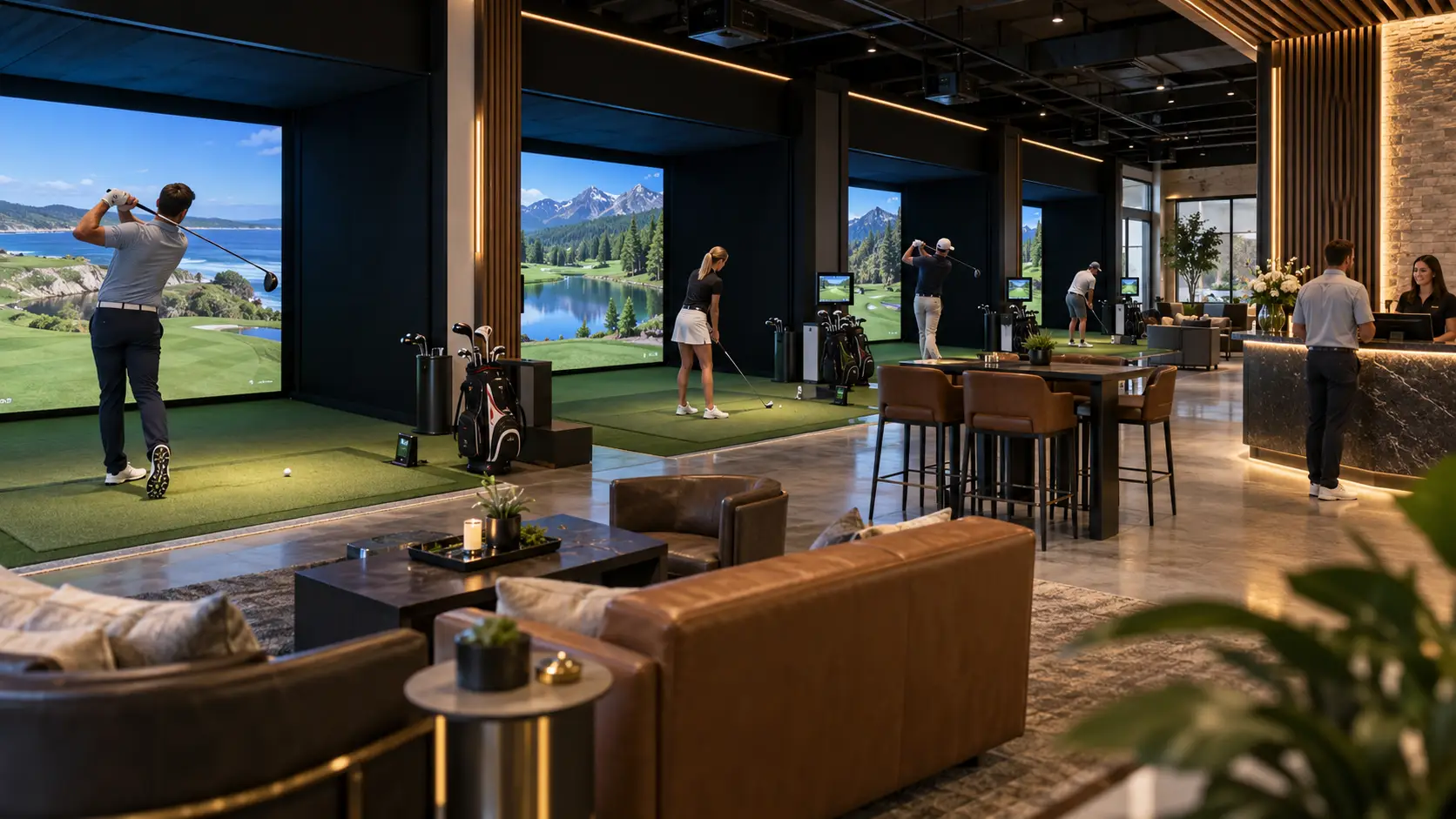
Start marketing before opening day. Build a website with clear pricing, online booking, location information, hours, photos, and explanations of what customers can expect. Set up local business listings and social accounts, then show the facility being built and tested. Opening events, introductory sessions, league registration, and partnerships with golf instructors or local organizations can help attract the first group of customers. Encourage satisfied visitors to leave genuine reviews because local reputation can influence future bookings.
Ultimately, How To Start A Golf Simulator Business requires more than purchasing several launch monitors and renting a building. Research demand, create realistic financial projections, choose a suitable location, install dependable equipment, develop several revenue streams, and build systems that keep customers returning. Monitor bay utilization, average customer spending, memberships, repeat visits, and operating costs after opening so you can adjust pricing and promotions based on actual performance. For more golf simulator information, equipment guides, and golf-related resources, visit Roaming Scores.