
The right golf ball should match your swing, preferred feel, common misses, short-game needs, and budget. Golfers who want more control around the green often benefit from a urethane-covered ball, while players who value durability and lower cost may prefer an ionomer-covered model. Softer balls can feel more comfortable at impact, whereas firmer designs may suit golfers who want stronger feedback and controlled flight. When deciding what golf ball should I use, avoid choosing only by brand or by the ball used by a professional. The best option is the model that produces dependable distance, manageable spin, and predictable reactions throughout your own game.

Start With Your Skill Level And Priorities
Your current game should guide the type of ball you choose. A beginner who frequently loses balls may gain little from paying premium prices for tour-level construction. A durable and affordable two-piece ball can provide consistent flight while keeping replacement costs reasonable. The goal at this stage is usually to improve contact, direction, and confidence rather than create maximum spin on delicate wedge shots.
Intermediate golfers may benefit from a balanced ball that combines long-game distance with a softer feel around the green. These players often strike the ball consistently enough to notice differences in launch, stopping power, and putting feel. However, they may not need the highest-spinning or firmest tour ball available.
More experienced golfers often have clearer priorities. One player may need lower driver spin to control a high ball flight. Another may want additional wedge spin because approach shots release too far after landing. Some golfers care most about a soft feel, while others prefer a firmer response. When asking what golf ball should I use, identify the part of your game that matters most. Decide whether you need distance, straighter flight, softer feel, short-game control, durability, or a balance of several features. That priority gives you a better starting point than simply selecting the most expensive box on the shelf.
Match Ball Feel To Your Swing
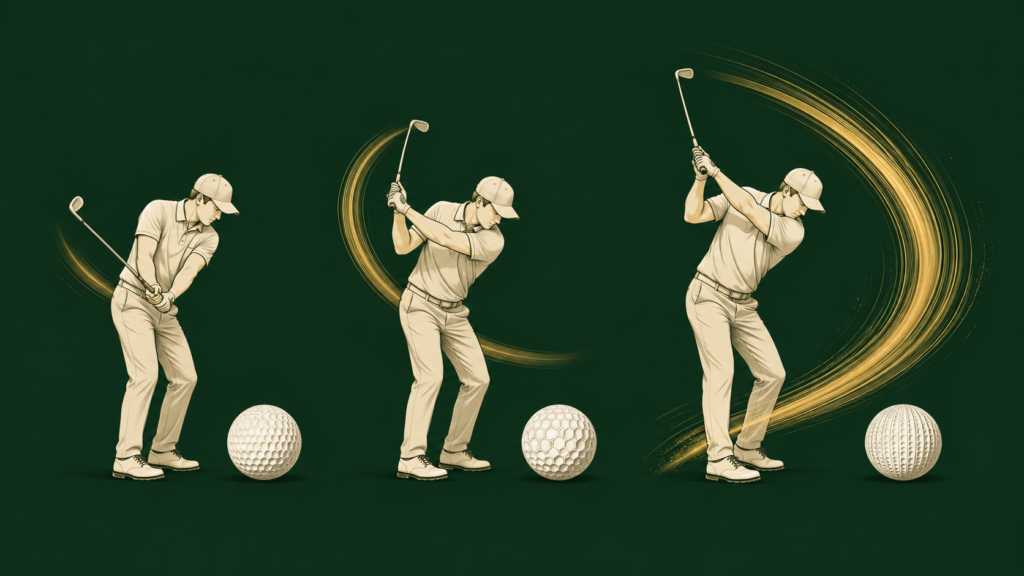
Golf ball compression describes how firm or soft the ball feels when struck. Softer, lower-compression balls deform more easily at impact and often feel comfortable for golfers with moderate or slower swing speeds. Firmer balls may provide a more responsive sensation for players who create greater clubhead speed or prefer stronger feedback from the clubface. However, swing speed should not become an inflexible rule. A golfer with a fast swing may still prefer a soft-feeling ball, while a moderate-speed player may enjoy the control of a firmer model. Feel is especially noticeable with wedges and the putter, where impact speed is lower, and the sound of the strike becomes easier to recognize.
The best approach is to compare balls with noticeably different compression levels. Hit several putts, chips, iron shots, and drives with each model. A ball should not feel unpleasantly hard, but it should also avoid feeling so soft that contact becomes difficult to judge. The golf ball overview on Wikipedia explains that modern golf balls use different materials, compression levels, covers, and layered constructions to create distinct flight and feel characteristics. These differences explain why the answer to what golf ball should I use cannot be based on swing speed alone. The correct feel should support confidence without sacrificing the flight and control you need.
Choose Between Urethane And Ionomer Covers
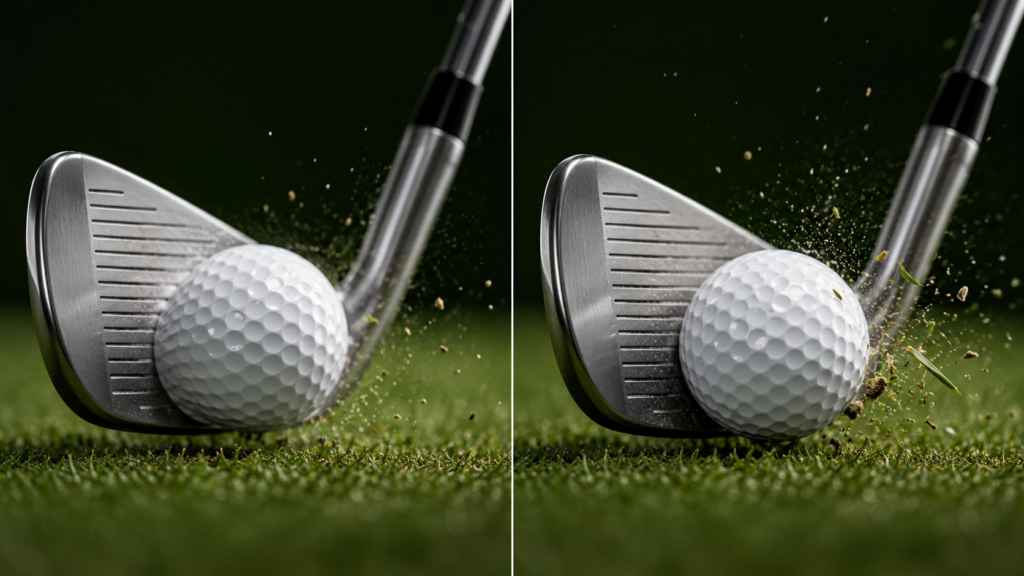
The cover material strongly affects feel, durability, and short-game spin. Premium golf balls often use urethane covers because the softer material can create more friction against wedge grooves. That interaction helps skilled players produce additional spin on approach shots, chips, and pitches. A urethane ball may stop sooner after landing and provide more options when playing around the green.
Ionomer-covered balls are usually firmer and more durable. They resist cuts and scuffs well, making them practical for beginners, frequent players, and golfers who often strike trees, cart paths, or hard ground. These models also tend to cost less than premium urethane balls. Many are designed to reduce long-game spin, which may help some golfers keep drives and iron shots from curving as severely.
Neither cover is automatically better. A golfer who relies on bump-and-run shots may not need maximum greenside spin. In that case, an ionomer model can provide sufficient performance at a lower price. A player who regularly attacks firm greens may value the stopping power of urethane. When deciding what golf ball should I use, compare the advantages against your normal style of play. Choose urethane when control, feel, and stopping power justify the added cost. Choose ionomer when durability, value, and straightforward distance matter more than producing tour-level spin around the green.
Decide How Much Spin You Actually Need
Spin can help or hurt depending on the club and shot. With wedges and short irons, additional backspin can help the ball stay in the air and stop after landing. This makes it easier to attack a target without planning for excessive rollout. Around the green, a higher-spinning ball can also give skilled players more control over pitches and chips.
The same spin may become a problem with the driver. Too much driver spin can cause the ball to climb, lose forward distance, and land with limited rollout. Sideways curvature is also influenced by the relationship between the clubface and swing path. A ball cannot completely correct a slice or hook, although a lower-spinning model may reduce the severity of some curved shots.
Golfers who hit the ball too high may benefit from a lower-spin or more penetrating option. Players who struggle to hold greens may need a ball that creates more spin with irons and wedges. The challenge is finding a design that controls driver spin without removing useful short-game performance. This balance is central to what golf ball should I use. Do not assume that more spin always means better performance. Think about where spin helps your scoring and where it causes trouble. The ideal ball should keep long shots manageable while still giving approach shots a predictable landing and release.
Consider Cost And How Often You Lose Balls
Budget should be treated as a performance factor because golfers play better when they are comfortable using the ball they purchased. A player who worries about losing an expensive ball may swing cautiously near water, trees, or out-of-bounds areas. An affordable model can create more confidence if it allows the golfer to commit fully to each shot.
Premium balls often provide advanced cover materials, layered construction, consistent manufacturing, and greater short-game control. Those benefits can matter to golfers who strike the ball consistently and keep the same ball in play for several rounds. However, the value decreases when several balls disappear during every round. Beginners and high-handicap golfers may prefer reliable value models until their ball loss decreases. Used balls can also reduce costs, but heavily scuffed, faded, cracked, or water-damaged balls should be avoided. Surface damage can affect flight and make comparisons less dependable.
When considering what golf ball should I use, calculate the cost across several rounds rather than focusing only on the price of one dozen. A slightly cheaper model that performs consistently may be more practical than a premium ball that creates financial frustration. Once your strike and control improve, you can test whether a higher-priced option produces meaningful gains in carry, dispersion, wedge spin, or putting feel.
Test Golf Balls From The Green Back To The Tee
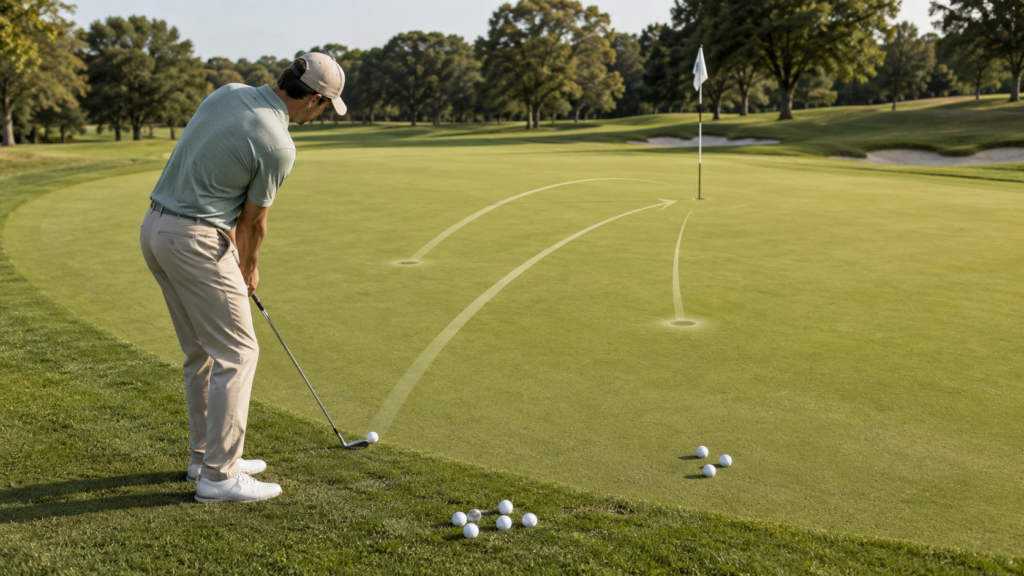
Many golfers begin testing with the driver because distance is easy to notice. However, the short game often reveals meaningful differences more quickly. Start on the putting green and compare the sound, firmness, and distance control of two or three models. A ball that feels distracting off the putter may not be a good choice, even if it performs well from the tee.
Next, test short chips and pitches. Observe how high each ball launches, how quickly it stops, and how much it rolls after landing. Move back to full wedge shots and middle irons before testing fairway woods and drivers. This order helps you judge the scoring clubs first while still confirming that the ball provides enough distance and control in the long game.
Use the same clubs, targets, and general conditions for each ball. Avoid choosing a winner from one perfect shot. Instead, compare the average flight and dispersion across several attempts. Pay attention to the worst shots as well because a ball that performs predictably on imperfect contact may be more useful than one that shines only on center strikes. A proper test gives the clearest answer to what golf ball should I use. Keep notes about feel, launch, carry, direction, and stopping power. Then play at least one complete round with the leading option before making a final decision.
Use Shot Data Without Ignoring On-Course Feel
Launch monitors can make golf ball testing more objective. They can compare ball speed, launch angle, spin, carry distance, peak height, and shot direction under controlled conditions. This information helps reveal whether one model launches too high, spins excessively, or creates a tighter distance pattern than another.
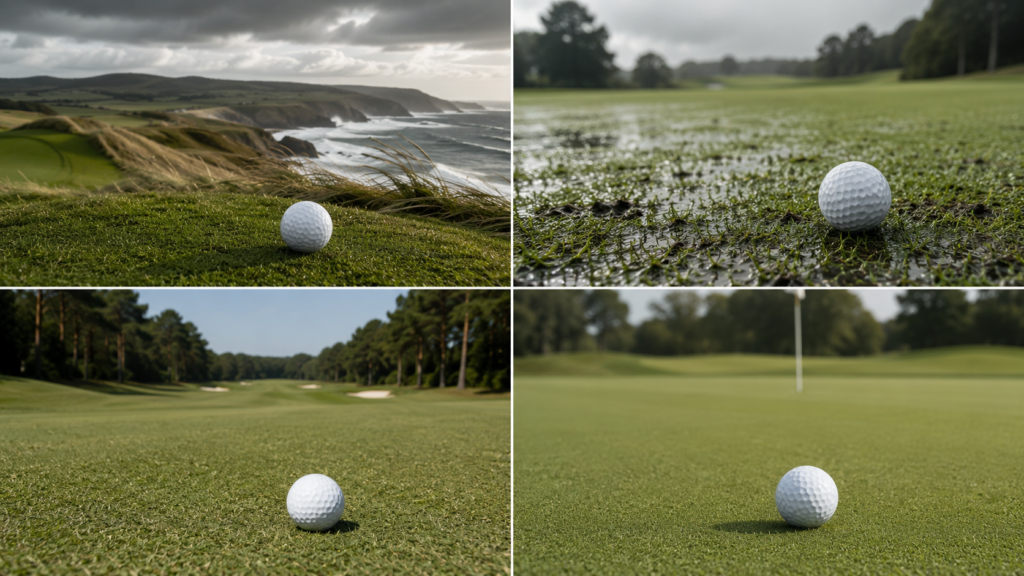
Still, simulator numbers should not replace on-course testing. A ball may produce excellent driver data but release too far on real greens. Another may perform well with wedges yet feel uncomfortable when putting. Wind, rough, bunker shots, wet turf, and uneven lies also reveal characteristics that a controlled hitting area cannot fully reproduce. Use simulator data to narrow the options, then confirm the choice during actual rounds. Test the same two or three models rather than comparing random balls collected over time. Keeping the process consistent makes small performance differences easier to identify.
A mobile simulator can also introduce golfers to measured shot data in an accessible setting. This overview of the Roaming Scores simulator setup explains how real swings are tracked inside a portable format. Ultimately, what golf ball should I use should be answered with both data and personal confidence. Choose the ball that produces useful numbers while feeling predictable during the shots that matter most.
Conclusion
The answer to what golf ball should I use depends on your skill level, swing, feel preference, spin needs, and budget. Beginners may benefit from a durable two-piece ball, while improving golfers may prefer a balanced model with better greenside control. Urethane covers usually provide more short-game spin, whereas ionomer covers offer durability and value. Test several options from the green back to the tee, then confirm the results during a full round.
Roaming Scores brings measured shot data, virtual course play, and interactive golf challenges to parties, weddings, fundraisers, and corporate events across Northeast Ohio. Hosts can book their date and bring a complete mobile golf simulator experience to their chosen location.