
Golf was invented in Scotland, with the modern game developing there during the Middle Ages. The earliest clear written evidence of golf in Scotland dates to 1457, when King James II and the Scottish Parliament banned the game because it was distracting men from military archery practice. Although earlier stick-and-ball games existed in several countries, Scotland shaped the form of golf that developed into the sport played today.
The answer to where was golf invented therefore goes beyond a single course or town. Scotland is recognized as the birthplace of modern golf, while St Andrews became its most famous historic center. Scottish players, clubs, courses, and rule makers helped turn a simple outdoor game into an organized international sport.
The Earliest Origins Of Golf
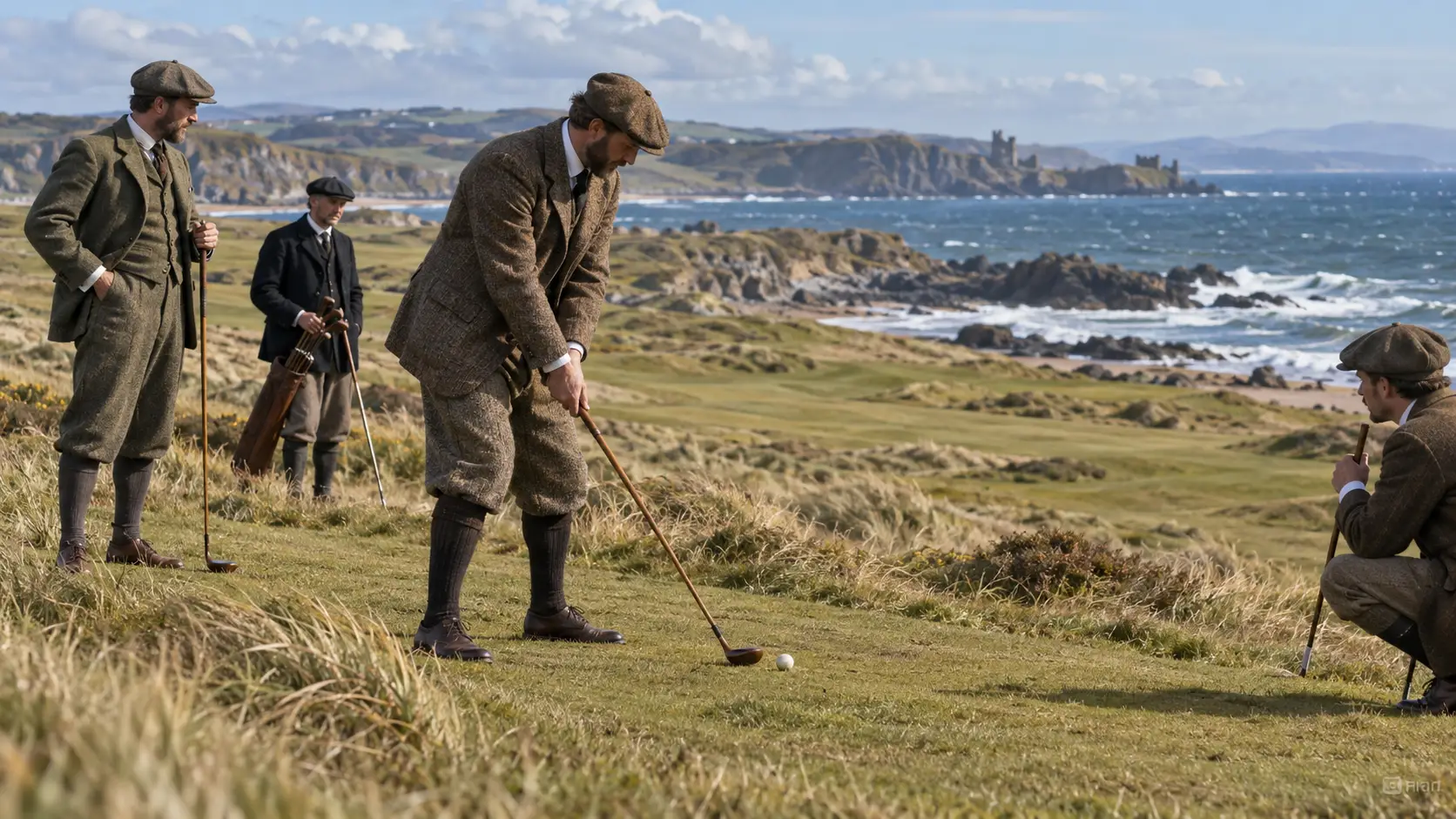
When people ask where was golf invented, the most widely accepted answer is Scotland. Golf developed on Scotland’s coastal links, where players could hit balls across naturally open ground toward simple targets. These sandy areas offered firm turf, rolling terrain, dunes, and relatively few obstacles to creating informal courses.
Written Scottish records provide some of the strongest evidence for the game’s early development. In 1457, Scotland’s Parliament prohibited golf and football because King James II wanted citizens to spend more time practicing archery. For anyone researching where was golf invented, this record is especially important because it confirms that the game had already become popular in Scotland by the 15th century.
Scotland’s Role In The Birth Of Golf
Scotland is called the birthplace of golf because the recognizable modern game developed there over several centuries. Players began using specialized clubs and balls, established regular playing grounds, formed golf societies, and eventually created written rules. Coastal links land also helped shape the sport because its firm ground, dunes, and natural obstacles were well suited to golf.
This history is a major reason the answer to where was golf invented consistently points to Scotland. Scottish traditions influenced course design, competition formats, equipment, etiquette, and club organization. The country’s continuous connection with the game separates modern golf from earlier stick-and-ball activities found elsewhere.
This history is a major reason the answer to where was golf invented consistently points to Scotland. The official Scotland.org website also identifies Scotland as the birthplace of golf and highlights the country’s centuries-long connection with the sport. Scottish traditions influenced course design, competition formats, equipment, etiquette, and club organization.

The Importance Of St Andrews
St Andrews is often called the “Home of Golf,” although golf was not necessarily invented there specifically. Golf had already been played in different parts of Scotland before St Andrews became its most influential location. The Old Course eventually became one of the most important courses in golf history and helped shape how rounds and courses were organized.
In 1764, players at St Andrews reduced the course from 22 holes to 18, helping establish the format that later became the worldwide standard. The Royal and Ancient Golf Club of St Andrews was founded in 1754 and became highly influential in golf administration. Therefore, discussions about where was golf invented often mention St Andrews because of its enormous influence on the development of the modern game.
Golf-Like Games Before Scottish Golf
Understanding where was golf invented requires separating modern golf from earlier stick-and-ball games. People in several countries played activities that involved hitting balls with sticks long before Scottish golf records appeared. Some medieval games in Europe, particularly in the Netherlands, shared certain similarities with golf and may have contributed ideas to later forms of the sport.
However, similarities alone do not prove that those earlier activities created modern golf. Scotland is important because golfers there developed a continuous tradition involving courses, clubs, competitions, equipment, and formal rules. Historians may debate different influences, but the accepted answer to where was golf invented remains Scotland because the recognizable modern sport developed there.
The First Written Rules Of Golf
One of the earliest surviving written sets of golf rules appeared in Scotland in 1744. The Gentlemen Golfers of Leith created 13 rules for a competition. Those rules covered situations golfers still recognize today, including teeing the ball, playing it from where it lies, dealing with hazards, and determining the order of play.
As organized golf expanded, other Scottish clubs developed their own rules and often borrowed from earlier versions. This process helped standardize the sport and made formal competitions easier to organize. These developments also strengthen Scotland’s claim when answering where was golf invented because organized rules are a major part of what separates modern golf from earlier recreational games.
Golf’s Expansion Beyond Scotland
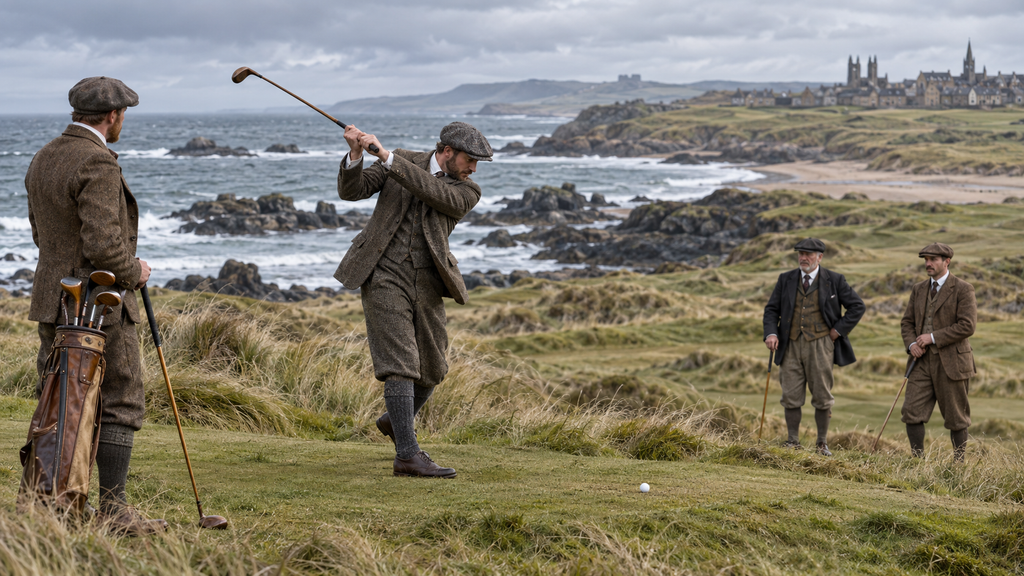
Golf gradually spread from Scotland to England and then to other parts of the world. Scottish immigrants, soldiers, merchants, and golf professionals introduced the sport to new countries. Courses and clubs eventually appeared across Europe, North America, Asia, Australia, and other regions as the game became increasingly organized.
The United States later became another major center of golf, with national organizations, professional tournaments, and thousands of courses. Players today can also practice away from traditional courses. For example, golfers can follow structured methods for how to practice golf at home using putting drills, practice nets, launch monitors, and simulator equipment.
The Evolution Of Golf Over Time
The golf played centuries ago would look very different from the game played today. Early golfers used wooden clubs and handmade balls, while modern players use engineered drivers, irons, wedges, and multilayer golf balls. Courses have also changed through improved drainage, irrigation, landscaping, bunkering, and more deliberate architectural design.
Technology has transformed golf training as well. Launch monitors can measure ball speed, launch angle, spin, and carry distance, while simulators allow golfers to practice indoors throughout the year. Even with these changes, improvement still depends on strong fundamentals. Players looking for more consistency can work through a structured approach to how to get better at golf.

Conclusion
Knowing where was golf invented helps explain many traditions that remain part of the sport. Scotland influenced the structure of courses, formal rules, club organization, competitive formats, and golf terminology. St Andrews continues to represent this history and attracts golfers from around the world who want to experience one of the game’s most important locations.
So, where was golf invented? The modern game was developed in Scotland, with clear written evidence appearing in the 15th century. St Andrews later became one of golf’s most influential centers and helped establish traditions such as the standard 18-hole round. For more golf guides, history, rules, and practical tips, visit Roaming Scores.